• Ouhai, Wenzhou, Zhejiang China
  • 24/7 Service

Top-Tier Hospitals

9000+ Beds Combined

World-Renowned Doctors

Transplant Pioneers

Dedicated Care Team

Satisfied Patients
Call Us : +86 18357823575

Beijing Jingdu Children's Hospital in BeiJing Complex and critical diseases, including hematologic tumors, LEARN MORE GET CONSULTATION as well as pediatric neurological disorders. PATIENT-CENTERED ONCOLOGY CARE Trusted Cancer Care in BeiJing Compassionate support for every step of cancer treatment. MAKE AN APPOINTMENT! Advanced Facilities for Cancer Care Modern diagnostics, comfortable rooms, and patient-centered support. LEARN MORE GET CONSULTATION Beijing Jingdu Children's Hospital Beijing Jingdu Children's Hospital Beijing Jingdu Children's Hospital

A SPECIALIZED CANCER HOSPITAL IN BEIJING

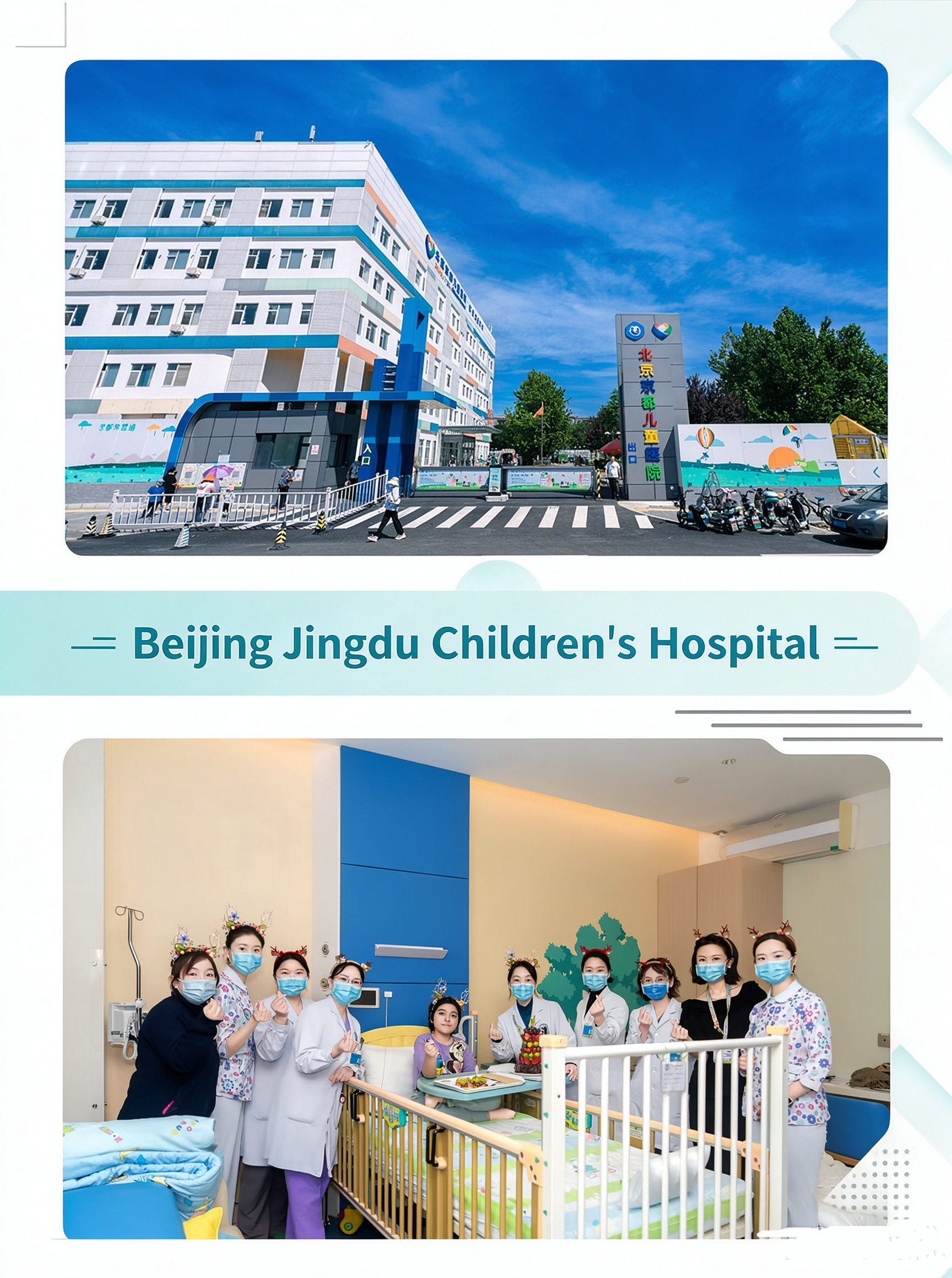
Beijing Jingdu Children's Hospital

Beijing Jingdu Children’s Hospital, affiliated with United Family Healthcare Group, is a large tertiary children’s hospital serving northern Beijing. Approved by the Beijing Municipal Health Commission in 2013, the hospital held international JCI accreditation from July 18, 2020 to July 17, 2023. It is a designated medical institution under Beijing’s medical insurance system and a designated hospital in Beijing’s critical newborn rescue, transfer, and consultation network.

The hospital has been recognized as a National Honest Private Hospital and awarded the highest industry standards by the China Non-Governmental Medical Institutions Association, with an AAA credit rating and a Five-Star Hospital capability rating.

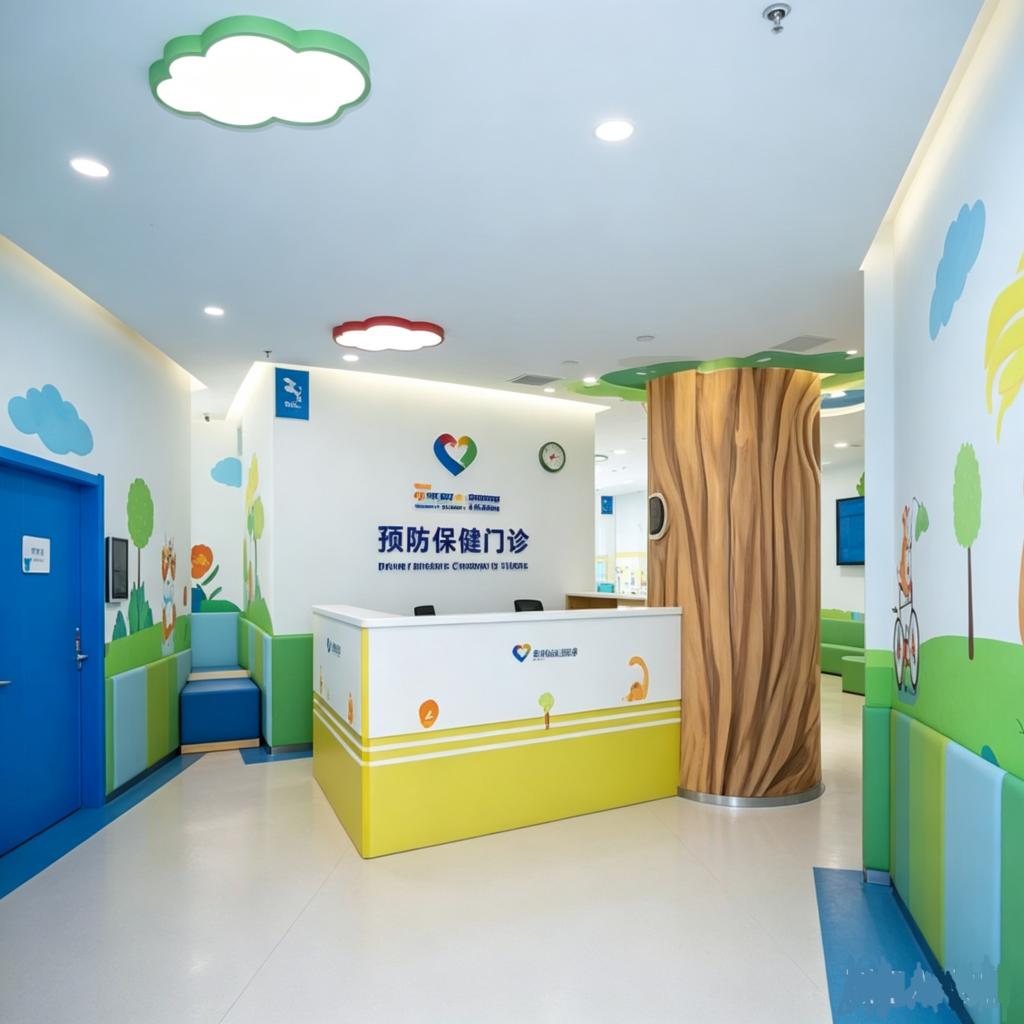
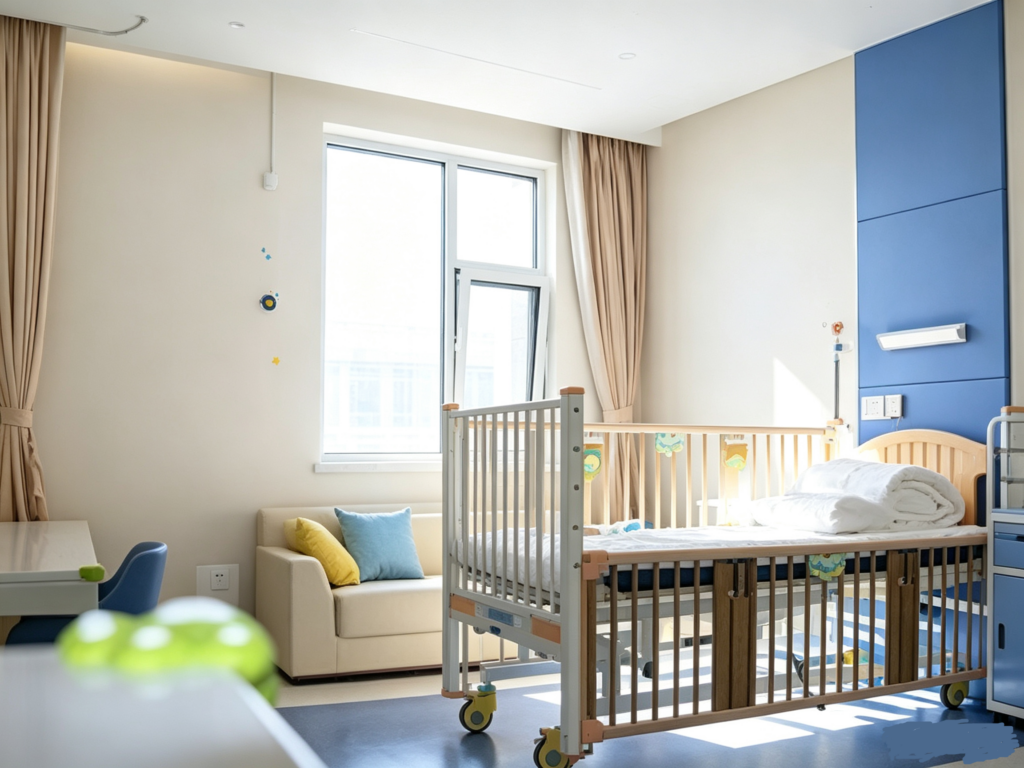
Guided by its mission to “care for every precious child with timely, accurate, and compassionate health protection,” the hospital is dedicated to providing professional diagnosis and treatment, a high-quality service experience, and a child-friendly medical environment for every young patient. It is committed to building a one-stop medical service system for children aged 0–18, creating a warm and caring children’s hospital, and serving as a guardian of children’s lives and health.

600 +

Healthcare Professionals

17

Specialized Clinical Departments

300 +

Approved Beds

40000 m²

Hospital site area

Banner1

A SPECIALIZED HEMATOLOGIC ONCOLOGY HOSPITAL IN BEIJING

Beijing Jingdu Children’s Hospital

Affiliated with United Family Healthcare Group, Beijing Jingdu Children’s Hospital is a tertiary children’s hospital located in northern Beijing. Approved in 2013, it is JCI-accredited (2020–2023), covered by Beijing medical insurance, and participates in the city’s critical newborn rescue network. It has been recognized as a National Honest Private Hospital with AAA credit and Five-Star Hospital ratings. Committed to compassionate pediatric care for children aged 0–18, the hospital provides child-friendly medical services and serves as a guardian of young patients’ health.

Healthcare facilities:

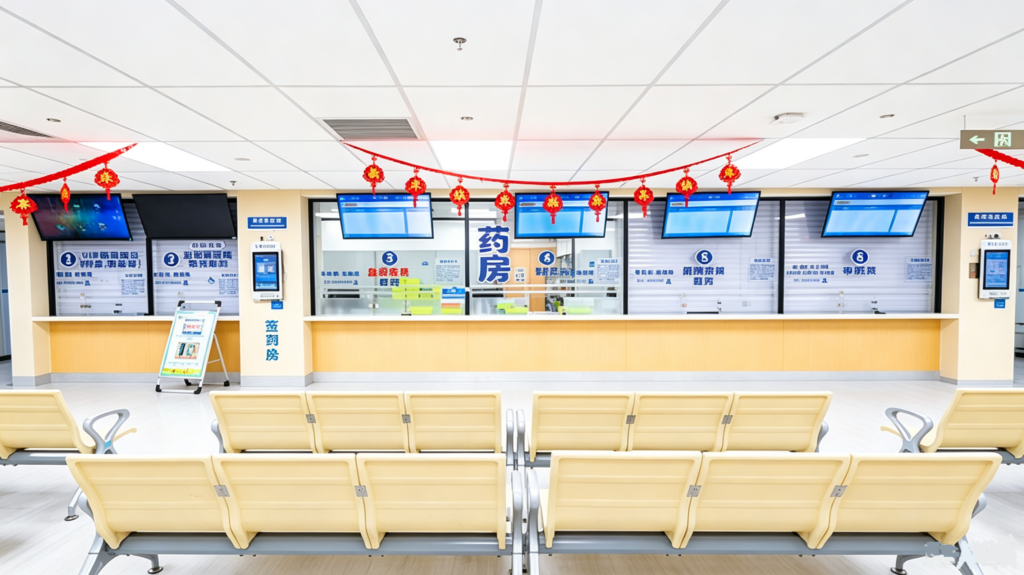
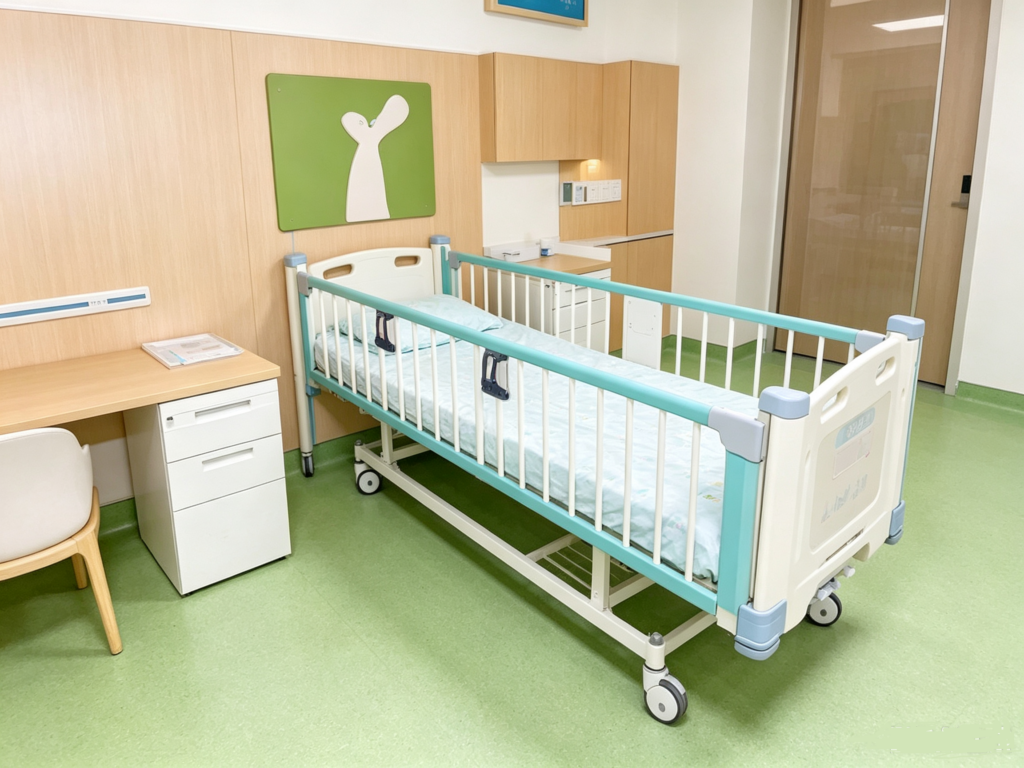
With a building area of nearly 40,000 ㎡ and 300 beds, the hospital offers comprehensive pediatric services. Its flagship specialties include hematology-oncology, cardiothoracic surgery, critical care, respiratory medicine and general surgery, alongside many other pediatric disciplines. An 800-square-meter central laboratory provides robust technical support to meet children’s medical needs.

International Accreditation

Leading specialists create personalized treatment plans with dedicated medical teams. Green channels and painless care ensure efficient, child-friendly treatment. Through our teleconsultation center and partnerships with Massachusetts General Hospital, Boston Children’s Hospital and top Chinese hospitals, we offer cross-border and domestic expert consultations—providing one-stop pediatric care for children aged 0–18.

Comprehensive Diagnostic Center

We treat pediatric hematology-oncology diseases: anemias, ITP, leukemia, lymphoma, hemophagocytic lymphohistiocytosis, chronic active EBV infection, aplastic anemia, solid tumors, primary immunodeficiency and inherited metabolic disorders. Our services cover chemotherapy, hematopoietic stem cell transplantation, immunotherapy, cell therapy and CAR-T therapy, alongside painless bone marrow aspiration, lumbar puncture and central venous access procedures including PICC.

International Patient Care

The hospital has provided medical services to over one hundred international patients from dozens of countries across Europe, Asia, the Americas, and Africa. It has established partnerships with insurance institutions such as MSH, AIA, Allianz, Generali China Life, Ping An, and Taikang to offer direct billing services for patients with commercial insurance.

Centers of Excellence

Center of Excellence / DepartmentKey Highlights & AchievementsScope of Services & Specialties
Hematology & Oncology
  • Broad disease coverage: All types of anemia, hemorrhagic disorders (e.g., ITP), hematologic malignancies (leukemia, lymphoma, etc.), hemophagocytic lymphohistiocytosis, chronic active EBV infection, bone marrow failure disorders (e.g., aplastic anemia), solid tumors (neuroblastoma, hepatoblastoma, nephroblastoma, etc.), primary immunodeficiency diseases, and inherited metabolic disorders.
  • Comprehensive treatment modalities: Chemotherapy, hematopoietic stem cell transplantation, immunotherapy, cell therapy, CAR-T therapy, etc.
  • Mature procedural techniques: Painless bone marrow aspiration, lumbar puncture, PICC placement, jugular vein catheterization, and femoral vein catheterization.
  • Hematopoietic stem cell transplantation: Patients first receive high-dose radiotherapy or chemotherapy (sometimes combined with immunosuppressive agents) to eliminate tumor cells and abnormal clonal cells, followed by infusion of autologous or allogeneic hematopoietic stem cells to rebuild normal hematopoiesis and immune function.
  • Transplant classification (by donor-recipient relationship): Autologous transplantation, matched sibling donor transplantation, haploidentical related donor transplantation (parents, siblings, etc.), and unrelated donor transplantation (bone marrow registry, cord blood, etc.).
  • Admission scope: All types of anemia, hemorrhagic disorders (e.g., ITP), hematologic malignancies (leukemia, lymphoma, etc.), hemophagocytic lymphohistiocytosis, chronic active EBV infection, bone marrow failure disorders (e.g., aplastic anemia), solid tumors (neuroblastoma, hepatoblastoma, nephroblastoma, etc.), primary immunodeficiency diseases, and inherited metabolic disorders.
  • Treatment modalities: Chemotherapy, hematopoietic stem cell transplantation, immunotherapy, cell therapy, CAR-T therapy, etc.
  • Procedural techniques: Painless bone marrow aspiration, lumbar puncture, PICC placement, jugular vein catheterization, and femoral vein catheterization.
  • Bone marrow transplantation: Hematopoietic stem cells are harvested from the donor's bone marrow and infused intravenously to rebuild the patient's hematopoietic and immune systems for the treatment of related diseases.
  • Peripheral blood stem cell transplantation: Hematopoietic stem cells are collected from the donor's peripheral blood via apheresis. Since stem cells are normally scarce in peripheral blood, recombinant human granulocyte colony-stimulating factor is administered in advance to mobilize stem cells from the bone marrow into the bloodstream before collection.
  • Umbilical cord blood transplantation: Transplantation using stored cord blood from a donor or a cord blood bank. Cord blood is rich in hematopoietic stem cells and serves as the third source of stem cells after bone marrow and peripheral blood. It is collected and preserved under specific conditions for allogeneic transplantation, offering safety, reliability, and minimal side effects.
  • Advantages of cord blood transplantation: ① Abundant source; ② Easy to collect with no harm to the mother or infant; ③ Stored as a physical unit, so it will not be refused by the donor (unlike unrelated bone marrow registries, which require further HLA matching and a second consent from volunteers); ④ Lower risk of viral contamination, resulting in a lower post-transplant infection rate.
Gastroenterology
  • Established under the leadership of Professor Xu Xiwei, former Director of the Gastroenterology Department and Director of the Internal Medicine Teaching and Research Section at Beijing Children's Hospital, and a leading figure in pediatric gastroenterology within the Beijing Children's Hospital Group.
  • Has formed a medical and nursing team with a well-structured professional echelon, standardized diagnosis and treatment, excellent technical skills, and high medical ethics.
  • Dedicated to the comprehensive diagnosis and treatment of common, rare, and complex digestive system diseases in children, with a standardized clinical management model.
  • Provides 24-hour esophageal pH monitoring, electronic gastroscopy and colonoscopy, and endoscopic treatment.
  • Offers high-quality, personalized medical services for children with digestive system diseases.
  • Common symptoms / consultation signals: Spitting up, regurgitation; yellow-coated tongue, bad breath; nighttime irritability, unexplained crying; poor appetite, anorexia; diarrhea, dehydration; black stools, bloody stools, watery stools.
  • Common disease diagnosis and treatment: Acute diarrheal disease, chronic gastritis, gastroesophageal reflux disease, peptic ulcer disease, infantile cholestatic liver disease, functional gastrointestinal disorders, etc.
  • Rare / complex disease diagnosis and treatment: Pediatric inflammatory bowel disease, chronic intestinal pseudo-obstruction, eosinophilic gastroenteritis, protein-losing gastroenteropathy, refractory diarrheal disease, celiac disease, cyclic vomiting syndrome, etc.
  • Critical care and resuscitation: Toxic dysentery, severe acute pancreatitis, liver failure, massive gastrointestinal bleeding, acute hemorrhagic necrotizing enteritis, severe dehydration, etc.
  • Endoscopic diagnosis and treatment: Painless gastroscopy and colonoscopy, 24-hour esophageal pH monitoring, electronic gastroscopy and colonoscopy, and endoscopic treatment.
Neurology
  • In June 2018, driven by medical alliance cooperation, Beijing Jingdu Children's Hospital became a partner institution with the Pediatric Internal Medicine Department of the First Medical Center of the Chinese PLA General Hospital, and established the Neuro-Rare Disease Department.
  • Has a high-caliber, well-trained professional medical team with extensive clinical experience, guided by the Chinese PLA General Hospital (301 Hospital).
  • Focuses on the prevention, diagnosis, and treatment of rare diseases in children, and conducts clinical research, in-depth business cooperation, and related academic exchanges.
  • Committed to providing high-quality medical services for children with rare diseases and their families.
  • Renamed the Neurology Department in September 2020 due to departmental development needs.
  • Scope of diagnosis and treatment: Pediatric developmental and neurological diseases, as well as rare diseases involving the nervous system.
  • Specific conditions: Epilepsy, inherited metabolic disorders, tuberous sclerosis, adrenoleukodystrophy, etc.
Respiratory Medicine
  • Currently has 6 renowned experts, 13 specialists, 7 chief physicians, and 6 associate chief physicians, forming a strong team.
  • Features an integrated traditional Chinese and Western medicine approach, promoting multidisciplinary joint diagnosis and treatment.
  • Develops personalized treatment plans based on the physical constitution of Chinese children.
  • Diagnostic and treatment items: Allergen skin prick test, serum specific IgE measurement, pulmonary function test, nitric oxide test, nasopharyngoscopy, electronic laryngoscopy, etc.
  • Conditions treated: Bronchial asthma, chronic cough, allergic rhinitis, upper airway cough syndrome, eczema, food allergy, and other allergic diseases in children, with targeted fundamental treatment.
  • Endoscopic diagnosis and treatment: Painless bronchoscopy.

Note: This table provides a comprehensive overview of the hospital’s specialized centers, their notable achievements, and the range of advanced procedures offered at each center.

Complete Directory of Clinical Departments

Internal Medicine & Critical Care

Medical Subspecialties

  • Hematology & Oncology Department
  • Respiratory & Allergy
  • Gastroenterology
  • Emergency & Critical Care
  • Neonatology
  • PICU
  • Neurology

Surgery & Specialties

Surgical & Procedural Services

  • Cardiothoracic Surgery
  • Orthopedics
  • General Surgery
  • Ophthalmology
  • ENT / Otolaryngology
  • Dentistry
  • Dermatology

Healthcare & Rehabilitation

Wellness & Developmental Care

  • Child Health Care
  • Growth & Development Clinic
  • Preventive Care & Vaccination
  • Pediatric Rehabilitation
  • Traditional Chinese Medicine
  • Pediatric Psychology
  • Voiding Dysfunction Clinic

Diagnostics & Special Services

Imaging, Testing & International

  • Medical Imaging
  • Functional Testing
  • International Clinic

Advanced Technology & Equipment

Hematopoietic stem cell transplantation

The patient first receives ultra-high-dose radiotherapy or chemotherapy, sometimes combined with other immunosuppressive drugs, to eliminate tumor cells, abnormal clonal cells, etc. in the body, and then autologous or allogeneic hematopoietic stem cells are reinfused to rebuild normal hematopoietic and immune functions.

Bone marrow transplant refers

Bone marrow transplant refers to a transplant performed by obtaining hematopoietic stem cells from a donor’s bone marrow.
It is a treatment method that rebuilds the patient’s normal hematopoietic and immune systems through intravenous infusion of hematopoietic stem cells, thereby treating a series of diseases.

Peripheral blood hematopoietic stem cell transplantation

Peripheral blood hematopoietic stem cell transplantation refers to a transplant performed by collecting peripheral blood hematopoietic stem cells from a donor through apheresis technology.

Umbilical cord blood hematopoietic stem cell transplantation

Umbilical cord blood hematopoietic stem cell transplantation refers to a transplant performed by using cord blood stored by the donor or obtaining cord blood resources from a cord blood bank.

Wenzhou People's Hospital

Medical Tourism Support

International Patient Services

A dedicated office to assist with registration, coordination, and interpretation for overseas patients.

Visa Assistance

Provides official invitation letters required for medical visa applications.

Integrated Care

Coordination across departments to streamline the diagnostic and treatment process for international visitors.

Cost-Effective Care

Offers high-quality medical services at a fraction of the cost in Western countries, with transparent pricing.

Easy & Convenient Access to Beijing Jingdu Children's Hospital

Beijing Gaobo Boren Hospital is located in Beijing, an important transportation hub in North China. The hospital is easily accessible by international flights, high-speed rail, subway, and taxi, making it convenient for both domestic and international patients to visit. The hospital provides comprehensive support for overseas cancer patients seeking treatment in Beijing, including airport pickup, language interpretation, accommodation arrangements, and medical coordination, enabling patients and their families to travel to Beijing more smoothly for consultation, treatment, and follow-up care.

Main Campus

Building 1, Courtyard 4, Kexueyuan Road, Changping District

Accessibility

Centrally located in Beijing with excellent transportation links.

From Airport

Approximately 40 minutes from Beijing Capital International Airport

From Railway

Approximately 20 minutes from Life Science Park Subway Station

WE OFFER SERVICES

BeiJing City

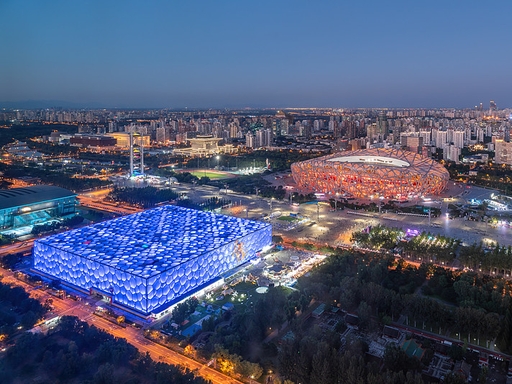
As the capital of China and one of the most important gateway cities in North China, Beijing serves as the nation’s center for politics, culture, international exchange, and scientific and technological innovation. With its extensive medical resources, convenient international transport links, rich cultural heritage, and comprehensive urban services, Beijing offers a supportive environment for international patients and their families coming to China for cancer treatment.

Economic & Medical Hub

Beijing is an important economic and medical center in North China, with rapid development in healthcare, biotechnology, trade, logistics, and modern services.

International Gateway

Beijing has Beijing Capital International Airport, Beijing Daxing International Airport, high-speed rail, subway, and road networks, providing convenient transportation for both domestic and international patients.

Cultural Heritage

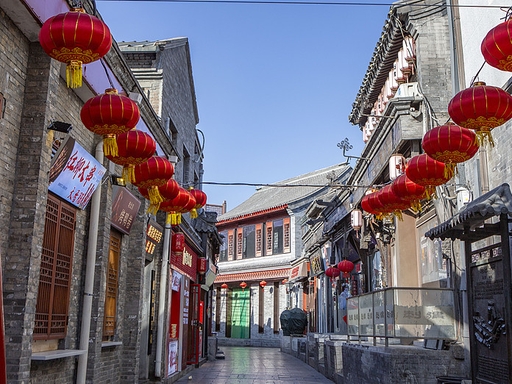
Beijing is a historic city with profound historical heritage, traditional cuisine, modern landmarks, and cultural attractions, offering a warm and friendly environment for visitors and families.

Patient-Friendly City

Beijing combines advanced medical resources, convenient transportation, internationalized services, and comfortable urban living, providing support throughout the entire medical treatment process for patients.

In short, Beijing combines professional cancer treatment, an international transportation network, rich cultural heritage, and patient-centered urban services.

Hi, How Can We Help You?
LOADING