
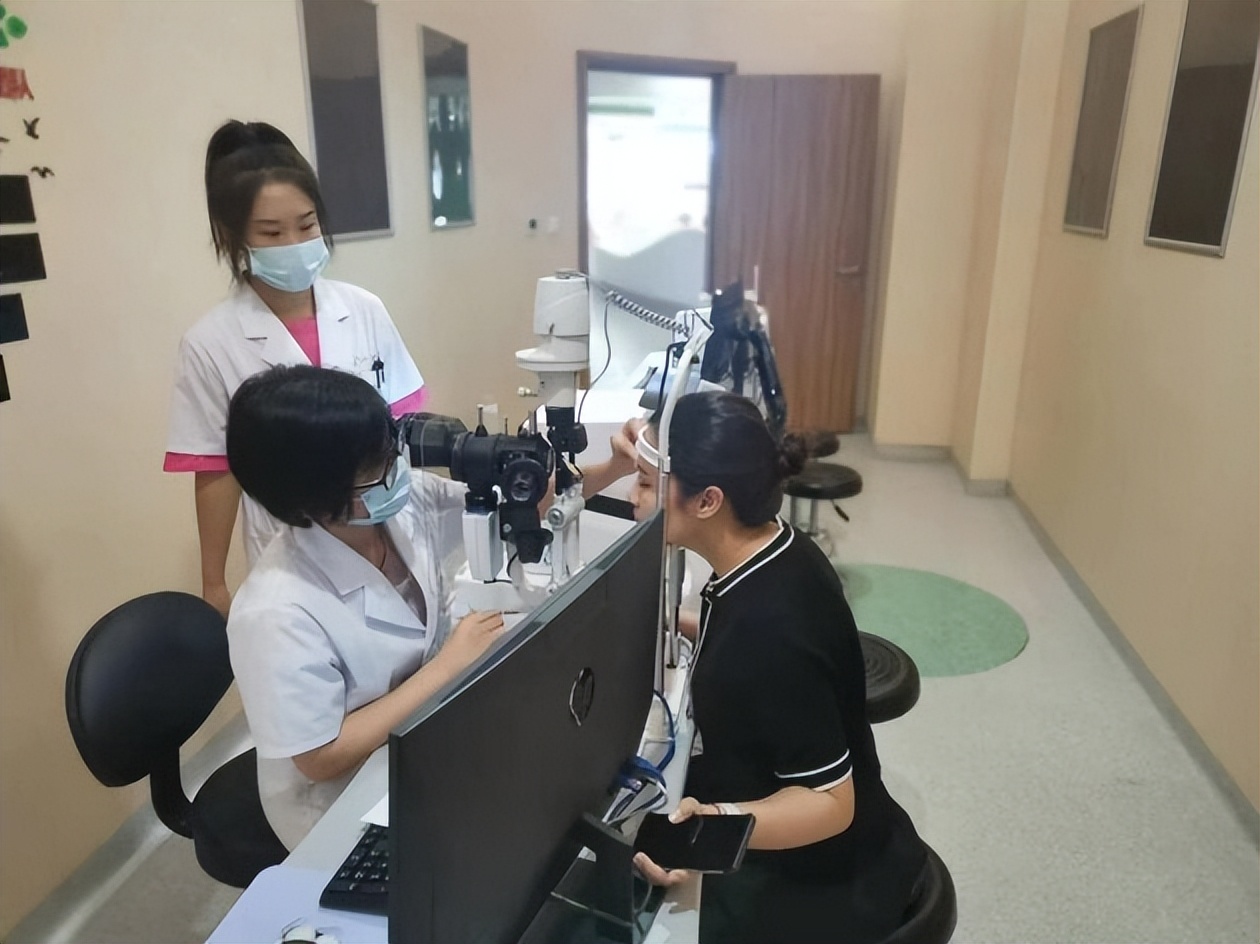
Ophthalmology Treatment in China
Personalized Eye Care for International Patients
GlobalMedPool helps international patients access professional ophthalmology services through our network of Chinese hospitals, eye specialists and medical institutions.
Whether you require a routine eye examination, a specialist second opinion or treatment for a complex eye condition, our team can help review your medical information, identify a suitable hospital and arrange an appointment with an appropriate ophthalmologist.
We also provide assistance with medical-record preparation, translation, travel planning, hospital visits, medical interpretation and post-treatment follow-up.
REQUEST AN EYE SPECIALIST CONSULTATION

Comprehensive Ophthalmology Services in China
Ophthalmology covers the diagnosis, medical treatment and surgical management of diseases affecting the eyes and visual system.
Modern eye care involves more than checking visual acuity. A complete ophthalmic assessment may examine the cornea, lens, retina, optic nerve, eye pressure, visual field and eye movement to identify the underlying cause of vision problems.
Depending on the patient’s condition and the capabilities of the selected hospital, GlobalMedPool can coordinate consultations covering cataracts, glaucoma, retinal diseases, corneal disorders, refractive errors, pediatric eye conditions and other vision-related concerns. Comprehensive eye departments commonly manage conditions ranging from cataracts and glaucoma to diabetic retinopathy, macular degeneration and ocular inflammation.
01. Comprehensive Eye Examination and Diagnosis
A detailed eye examination is the first step toward developing an appropriate treatment plan.
International patients may be asked to provide previous examination reports, imaging results, prescriptions, surgical records and information about existing medical conditions before the hospital consultation.
Depending on symptoms and clinical needs, an ophthalmic assessment may include:
- Visual-acuity testing
- Refraction and prescription assessment
- Intraocular-pressure measurement
- Slit-lamp examination
- Dilated retinal examination
- Fundus photography
- Optical coherence tomography
- Visual-field testing
- Corneal topography
- Eye-movement and alignment evaluation
- Tear-film and ocular-surface assessment
- Ultrasound examination of the eye when required
A detailed eye examination can help distinguish between common refractive problems and conditions requiring medical, laser-based or surgical treatment.
Patients with diabetes, hypertension, autoimmune diseases or previous eye surgery should provide complete medical information because these conditions may influence diagnosis and treatment planning.

02. Cataract Assessment and Surgery Coordination
A cataract develops when the natural lens inside the eye becomes cloudy, causing vision to become blurred, dim or less clear.
Common symptoms may include:
- Blurred or cloudy vision
- Increased sensitivity to light
- Glare around headlights
- Difficulty seeing at night
- Faded or yellowed colours
- Frequent changes in glasses prescription
- Reduced ability to read or perform daily activities
Treatment decisions depend on the severity of the cataract and its effect on the patient’s daily life.
When surgery is considered, the ophthalmologist may assess the patient’s cornea, retina, eye pressure and visual requirements before recommending a suitable surgical approach and intraocular lens.
GlobalMedPool may coordinate:
- Cataract specialist consultation
- Preoperative eye examinations
- Intraocular-lens evaluation
- Cataract surgery scheduling
- Medical interpretation
- Hospital admission assistance
- Postoperative review
- Remote follow-up after returning home
Cataract surgery and lens selection must be determined by the responsible ophthalmologist after direct examination.
03. Glaucoma Diagnosis and Management
Glaucoma is a group of eye diseases associated with progressive damage to the optic nerve. Some forms of glaucoma develop without obvious early symptoms, making professional screening especially important for high-risk patients.
Risk factors may include:
- Increased intraocular pressure
- Family history of glaucoma
- Older age
- High myopia
- Previous eye injury
- Long-term use of certain medications
- Diabetes or other systemic diseases
A glaucoma assessment may include intraocular-pressure measurement, optic-nerve imaging, visual-field testing, corneal-thickness measurement and examination of the eye’s drainage angle.
Depending on the type and severity of the condition, treatment may involve:
- Prescription eye drops
- Regular monitoring
- Laser treatment
- Minimally invasive glaucoma procedures
- Conventional glaucoma surgery
The purpose of treatment is generally to slow or prevent further optic-nerve damage. Vision already lost because of glaucoma may not be recoverable, which makes early detection and continued follow-up important.
04. Retinal and Macular Disease Care
The retina is the light-sensitive tissue at the back of the eye. Retinal disorders can affect central vision, peripheral vision or both.
Patients may seek specialist assessment for:
- Diabetic retinopathy
- Age-related macular degeneration
- Retinal tears
- Retinal detachment
- Macular holes
- Epiretinal membranes
- Retinal-vein occlusion
- Vitreous haemorrhage
- Inherited retinal disorders
- Sudden flashes, floaters or loss of vision
Retinal evaluation may involve dilated examination, fundus photography, optical coherence tomography, angiography or ocular ultrasound.
Depending on the diagnosis, available treatment directions may include:
- Observation and regular imaging
- Intravitreal injections
- Retinal laser treatment
- Vitrectomy
- Retinal-detachment surgery
- Management of diabetes and other underlying conditions
Patients experiencing sudden vision loss, a curtain-like shadow, rapidly increasing floaters or flashing lights should seek urgent ophthalmic evaluation rather than waiting for routine medical-travel arrangements.
05. Corneal and Ocular-Surface Disorders
The cornea is the transparent front surface of the eye. Its clarity and shape are essential for normal vision.
Corneal and ocular-surface consultations may address:
- Dry-eye disease
- Corneal infections
- Keratoconus
- Corneal scarring
- Corneal dystrophies
- Recurrent corneal erosion
- Chemical or traumatic eye injuries
- Pterygium
- Ocular-surface inflammation
- Complications from previous contact-lens use
A treatment plan may include medication, lubricating eye drops, management of eyelid conditions, therapeutic contact lenses, corneal cross-linking, laser treatment or surgery when clinically appropriate.
Complex corneal conditions may require a specialist experienced in corneal surgery or transplantation. Corneal transplantation replaces damaged or clouded corneal tissue in selected patients, but eligibility depends on the diagnosis and the condition of the remaining structures of the eye.
Chinese scientists are pioneers in using CRISPR to modify pig organs, making them more compatible with the human immune system, aiming to solve the global donor shortage.- Source: Xijing Hospital, Air Force Military Medical University
06. Myopia and Refractive Error Management
Refractive errors occur when the eye does not focus light correctly.
Common refractive conditions include:
- Myopia
- Hyperopia
- Astigmatism
- Presbyopia
Treatment options may include glasses, contact lenses or refractive procedures.
For children and adolescents with progressive myopia, ophthalmologists may recommend regular monitoring and individualized myopia-management strategies.
For adults interested in reducing dependence on glasses, a specialist evaluation may consider:
- Corneal thickness and shape
- Stability of the prescription
- Tear-film condition
- Pupil size
- Retinal health
- Age and visual requirements
- Previous eye disease or surgery
Depending on the selected eye institution and the patient’s eligibility, possible refractive options may include:
- Laser vision-correction consultation
- LASIK-related assessment
- Surface laser procedures
- Small-incision lenticule procedures
- Implantable lens consultation
- Lens-based vision correction
No refractive procedure is suitable for every patient. Final eligibility can only be confirmed after a complete examination at the receiving hospital or eye centre.
07. Pediatric Ophthalmology and Myopia Control
Children’s vision develops during the early years of life. Certain eye conditions can affect visual development if they are not identified and managed promptly.
Pediatric ophthalmology consultations may address:
- Childhood myopia
- Amblyopia
- Strabismus
- Congenital cataracts
- Blocked tear ducts
- Drooping eyelids
- Abnormal eye movement
- Developmental vision problems
- Eye conditions related to premature birth
- Genetic or inherited eye diseases
An examination may include assessment of visual development, eye alignment, focusing ability and the health of internal eye structures.
Treatment may involve glasses, patching, medication, vision monitoring or surgery, depending on the diagnosis.
Parents seeking treatment in China should provide previous prescriptions, vision-testing records and details of any earlier treatment.
08. Strabismus and Eye-Movement Disorders
Strabismus occurs when the eyes are not properly aligned.
It may be present from childhood or develop later because of nerve disorders, trauma, thyroid disease or other medical conditions.
Evaluation may include:
- Eye-alignment measurement
- Eye-movement assessment
- Binocular-vision testing
- Neurological evaluation when required
- Imaging or systemic medical assessment
Treatment may involve glasses, prism lenses, observation, management of an underlying condition or eye-muscle surgery.
Complex adult-onset strabismus may require collaboration between ophthalmology, neurology, endocrinology and medical imaging departments.
09. Oculoplastic, Eyelid and Orbital Care
Oculoplastic ophthalmology focuses on the eyelids, tear-drainage system and tissues surrounding the eye.
Possible consultation areas include:
- Drooping eyelids
- Eyelid malposition
- Eyelid lumps or lesions
- Blocked tear ducts
- Persistent tearing
- Orbital inflammation
- Thyroid eye disease
- Eye injuries
- Reconstructive surgery around the eye
- Functional eyelid surgery
Treatment planning should consider both visual function and the protection of the eye.
Patients seeking cosmetic eyelid treatment should also receive proper ophthalmic assessment when the procedure may affect eyelid closure, tear function or ocular-surface health.
10. Eye Conditions Related to Systemic Diseases
The eyes can be affected by diseases involving other parts of the body.
Examples include:
- Diabetes
- Hypertension
- Autoimmune diseases
- Thyroid disease
- Neurological disorders
- Blood disorders
- Infectious diseases
- Cancer and cancer treatment
- Long-term medication use
Patients with complex medical histories may need coordinated evaluation from ophthalmologists and other specialists.
This is one advantage of receiving care through a comprehensive hospital: eye specialists can work with endocrinology, neurology, cardiology, rheumatology, imaging, laboratory medicine and other departments when necessary.
Advanced Ophthalmic Diagnosis and Treatment
Modern ophthalmology uses detailed imaging and minimally invasive techniques to evaluate structures that cannot be assessed through ordinary vision testing alone.
Depending on the selected hospital, diagnostic and treatment resources may include:
- Optical coherence tomography
- Digital retinal imaging
- Visual-field analysis
- Corneal topography
- Ocular biometry
- Fundus angiography
- Eye ultrasound
- Ophthalmic laser systems
- Microsurgical equipment
- Advanced intraocular-lens calculations
These technologies support more precise diagnosis, treatment planning and postoperative monitoring.
However, specific equipment models and procedures should only be published after they have been confirmed with the receiving hospital.
A Multidisciplinary Approach to Eye Care
Some eye disorders can be managed entirely within an ophthalmology department. Others require cooperation across several specialties.
Depending on the patient’s condition, a multidisciplinary care team may include:
- General ophthalmologists
- Cataract surgeons
- Glaucoma specialists
- Retina specialists
- Corneal specialists
- Pediatric ophthalmologists
- Oculoplastic surgeons
- Neurologists
- Endocrinologists
- Rheumatologists
- Imaging specialists
- Rehabilitation specialists
GlobalMedPool helps coordinate communication between relevant departments when a patient requires a more comprehensive treatment pathway.
The company’s hospital-cooperation model is designed to match international patients with appropriate hospitals, departments and specialists according to their condition, treatment needs, budget and schedule.
Hospital Support for International Ophthalmology Patients
Shulan (Hangzhou) Hospital
Comprehensive Hospital and International Patient Support
Shulan (Hangzhou) Hospital is a Grade A tertiary general hospital integrating clinical care, medical research and medical education.
According to the hospital materials, it has:
- 57 clinical and medical-technology departments
- 1,000 approved beds
- Grade A tertiary general hospital status
- JCI Sixth Edition accreditation
- International hospital recognition in Hangzhou
- National clinical-trial capabilities
- A registered clinical stem-cell research platform
- Internet-hospital and remote-consultation services
The hospital also operates an International Health Care Center that follows an appointment-based service model and provides a private environment, one-stop assistance and bilingual medical accompaniment for international patients.
For an ophthalmology pathway, Shulan Hospital may serve as a comprehensive medical-support institution when a patient requires:
- General health assessment before eye surgery
- Evaluation of diabetes or cardiovascular conditions
- Laboratory and imaging examinations
- Anesthesia-risk assessment
- Multidisciplinary consultation
- Inpatient medical support
- International patient services
- Follow-up through digital or remote medical systems
Specific ophthalmology doctors, procedures, equipment and treatment availability must be confirmed with the hospital before they are presented to the patient.
Our Hospital and Specialist Matching Model
GlobalMedPool does not direct every ophthalmology patient to one fixed hospital.
We review the patient’s condition and coordinate with an appropriate hospital or eye specialist according to:
- Diagnosis or suspected condition
- Complexity of the case
- Required ophthalmology subspecialty
- Previous treatment history
- Need for surgery or hospitalization
- Availability of technology
- Preferred city
- Travel schedule
- Budget and accommodation needs
- Language-support requirements
This approach allows patients with different eye conditions to receive more appropriate specialist matching.
Our broader cooperation network includes Grade III Class A hospitals, medical specialists and advanced medical resources. Company materials describe a network covering more than 9,000 hospital beds, 8,200 medical professionals and 4.2 million annual outpatient visits. These figures represent the complete medical network and are not limited to ophthalmology departments.